The 10 Scariest Things About Seat Walkers & Rollators
Walkers With Seats 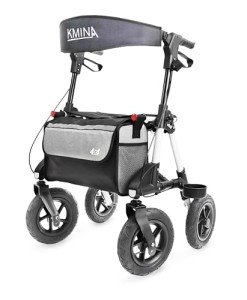 Seats on Walkers help users maintain a normal walking gait which reduces back pain and other wrist and hand injuries. They also promote independence by allowing for continual movement. Aluminum frames are used to make lightweight walkers that are adjustable and adjustable with seats. They include a padded seat that lets users relax as they wish. Folding A folding seat walker is ideal for people who require additional stability when walking. These mobility aids let users take a seated break anytime, providing safety and comfort on longer excursions or trips. These aids for mobility are easy to move and come with built-in storage, such as a bag or basket under the seat fold-up. You can also buy an array of accessories to go with your model, such as storage bags and tray. The grips for the handle on the sides of a seat walker or rollator are constructed from foam, plastic or gel. If the grips do not feel comfortable, people can replace them with ones that are more suitable for their hand size. For example, if your hands tend to sweat or you suffer from arthritis or other gripping issues, larger grips might be more suitable. Three-wheeled walkers are less stable than four-wheel models, however they are more manageable and easier to navigate in tight spaces. They are also lighter and smaller which makes them ideal for storage or travel in small apartments and homes. Some three-wheeled models even have a seat that can be folded down, which can fold up when not in use to conserve space. The EZ Fold N Go rollator provides the advantages of a traditional walker that has seating, but it folds 3 times smaller than other rollators. It can be transportable in a car, bus or plane. It is the ideal solution for those who require a walker with seats but have a limited space and frequently need to transport. It is light and comes with a storage bag and a front pouch. Four-Wheel Four-wheel walkers with seating are a great option for those who want to take long walks outdoors or needs more support than a simple rollator. They're also beneficial for those who suffer from back and hip pain since they help maintain posture and reduce the weight of knees. Most come with storage pouches or baskets to store personal items. Some chairs are padded to offer greater comfort, particularly on long journeys. Some have adjustable handles to allow for a customized fit. Some have even an lower spine support backrest. Look for models with bigger wheels (8” or more in diameter) which can handle uneven surfaces like gravel. Certain models have a lever called a “curb-climber” which allows the front wheels to be lifted over obstacles like curbs. For indoor use smaller wheels may be more suitable to maneuver through narrow hallways and doors. Handle grips must be comfortable and simple to use especially for those who suffer from arthritis or sore hands. Some have soft or gel grips, which are ideal for people with arthritis. The handle height should also be adjustable to allow an individual fitting. My Mobility Scooters come with brake mechanisms that lock into place when the brakes are applied. This can be useful for those who accidentally engage the brakes while they move around. If you're looking for a rollator with a seat, select one that has a seat or offers a separate accessory holder for adding a seat. A padded seat will make the user feel more at ease while taking a break. Some walker-seat combinations have a backrest to assist the spine and keep the posture straight. Push-down Brakes Walkers and rollators have hand-operated brakes that you can activate by pressing down on the brake levers. These levers may look like loops or bicycle-style brakes that are integrated into the handles. They function similar to brakes on a bicycle but you can lock them by pressing down harder. This will give you more stability when you want to sit still or rest on your seat. Certain manufacturers offer push-down brakes that require less pressure to activate and makes it easier for petite users or those with arthritis and other grasping issues to utilize. It is also a viable option for those who live in areas with hills, where the additional downward force on the wheels could make it hard to stop or slow down the walker. All walker brakes need occasional tightening to help them to maintain their effectiveness and reduce the risk of damage. It's easy to accomplish, and usually involves locating the adjustment screw for the cable that is located near the brakes. Using the correct tool (which varies from model to model) you'll turn it clockwise until it's tight enough to ensure safe and consistent operation. Certain models on this page have locking brakes that you can activate by pressing down on the levers for brakes by using either or both of your hands. They are ideal for those who want to remain upright but also want to take a break and lie down on the seat. The brakes enable you to navigate tight spaces, make sharp turns and keep the walker on uneven or rough terrain. It is important to recognize indicators that indicate your walker's brakes need to be adjusted, like when it is prone to rolling out of the blue or does not stop quickly after you engage the brakes. Slow-Down Brakes A braking system with a slow-down speed is a unique feature of a rollator. It lets the user manage the wheel's maximum speed so that it doesn't be able to accelerate without intention and then turn away from the person walking. This helps increase safety, especially when the walker is walking on the slope or on rough terrain. It's also a helpful feature for users with one side of their body that is stronger than the other, since it helps even out the direction of travel. These systems of braking can be operated by users who have weaker strength. The lever operates with a simple push/pull action. Some brakes that slow down allow you to alter the resistance level. This allows the walker be used in different terrains and conditions. If you're looking for a hands-free solution, you might want to consider the walker with a seat. This will give you an area to sit during longer walks, as well as give the walker some additional stability when it is in use. Some walker models even include the option of a tray to store items such as medications or food. Another type of walker perfect for those who maintain balance but need assistance with their endurance or stability is a hybrid walker. This mobility aid combines the design elements from traditional walkers, and rollators. It also has seating, as well as adjustable handles for height. Some hybrid rolling walkers are designed to be heavy duty, so that they can support greater loads. On our website, you can find a variety of hybrid walking walkers. Certain hybrid walkers come with a variety of accessories, such as baskets or tray attachments that will help you carry your items. Seat Walkers with seats can be utilized by those who require a little more stability when walking for longer distances or require a break while they walk. They are a great option for those who have difficulty bearing weight or neurological conditions like stroke or Parkinson's disease, or even dizziness. The walker with a seat is often equipped with handy accessories such as storage options, baskets and bags for carrying items, oxygen tank holders and a forward-facing light that can aid users in dark spaces. Rollators are designed to be easy to move around indoors or out, with swivel wheels that allow them to turn quickly. They are typically lightweight and adjustable in the height to fit people of all sizes. They are usually able to be fitted with useful accessories, such as baskets and bags for storing things and may be fitted with oxygen tank holders, IV poles and many more. They also feature hand brakes, which allow users to stop or slow their rollator with ease, helping to stop it from rolling away, and possibly harming the user. There are also three-wheel models which are smaller, lighter and can be tucked away in tighter spaces. They are generally easier to maneuver, but they don't offer as much stability and might not be suitable for those who need to lean heavily on the device to support themselves. All rollators come with hand brakes that allow them to stop or slow down at any time by squeezing the handles. The brakes can be set to “park” and will hold them in place for however long you want. Some models have grips that can be replaced with softer ones to provide more comfort, especially those that are utilized by those who have hands that tend to sweat.